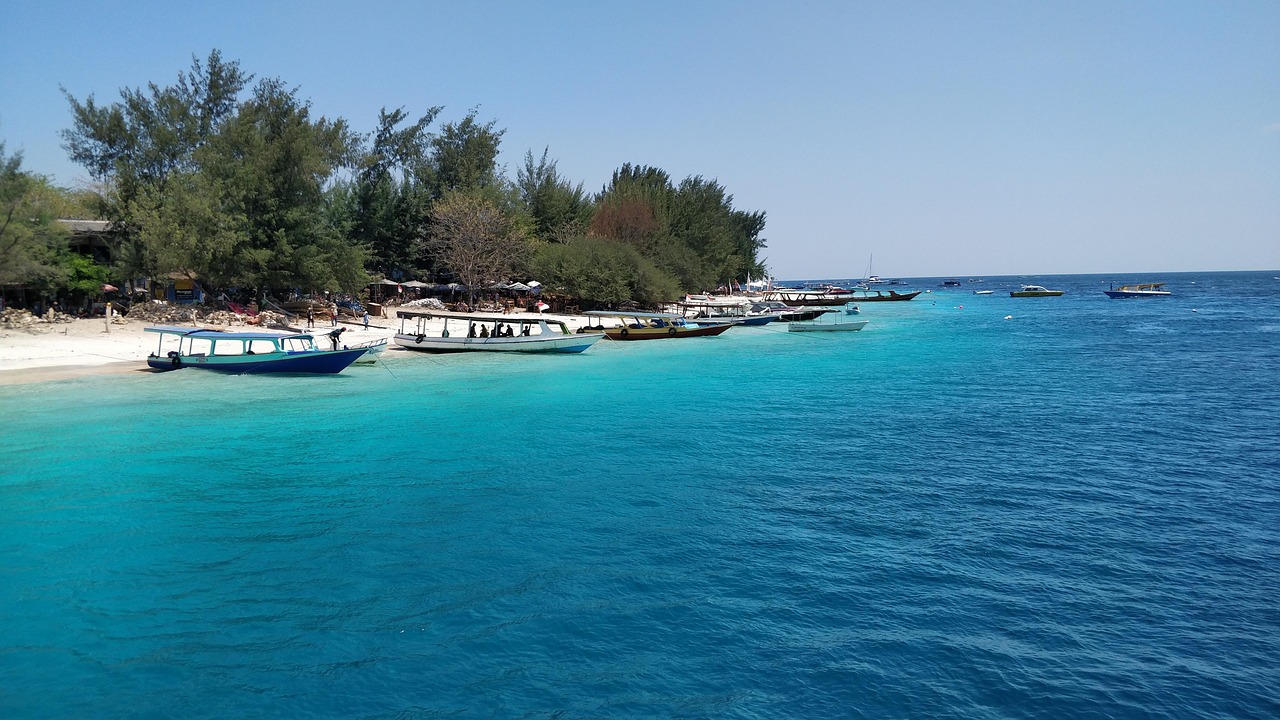
Some islands whisper. Lombok sings.
It doesn’t shout like its louder neighbor across the water. It doesn’t overwhelm. It reveals itself gradually—through warm greetings, winding backroads, coconut groves shimmering in late sun, and little roadside stalls with smells that make you hungry even when you just ate.
I didn’t know what to expect when I first touched down at Lombok International Airport. My only plan was to not have a plan. I just needed to feel alive again. And somewhere between soft hills and quiet bays, I did.
This is the story of how I fell in love with the island—one turn, one smile, one sunrise at a time.
The First Morning: No Rush, Just Curiosity
I was met at the airport by Dedy, my driver-guide for the week. Friendly, soft-spoken, and incredibly in tune with the pace of the island. As we left the airport and headed east, he said something that stuck with me:
“Here, time is flexible. We follow the road.”
And we did.
The southern parts of the island opened up like a painting. Rolling green hills, distant glimmers of the ocean, water buffalo walking alongside motorbikes. The wind felt different here—warmer, slower, like it wanted you to stay a while.
We passed through small towns like Praya and Jerowaru, stopping for coconut water at a stand where the owner barely looked up from his newspaper. That kind of casual welcome you only get when people aren’t trying to sell you anything—they’re just living their life, and happy to share a moment with a stranger.
Beaches Without Crowds, Roads Without Noise
We took the coastal road toward Pink Beach—a hidden spot in Lombok’s southeast where the sand takes on a soft blush hue when the sun hits it right. Getting there wasn’t quick. The road was narrow, occasionally bumpy, and lined with goats and kids playing with kites.
But the journey? Worth it.
When we arrived, there were maybe five people in total. The sea was calm, the hills hugged the bay protectively, and I swam alone with nothing but birds overhead. It felt untouched.
On the way back, we stopped at Tanjung Ringgit, a cliffside lookout where the Indian Ocean crashes far below. Dedy pulled out a thermos of local black coffee, and we just sat there watching the waves pound the rocks in the distance.
No talking, just wind and waves.
Into the Highlands: Nature and Quiet Hospitality
From the coast, we moved inland the next day, toward Tetebatu. Think of it as Lombok’s Ubud—but without the rush, the yoga retreats, or the Insta crowds.
Rice terraces glistened under morning dew. Farmers in wide-brimmed hats worked in rhythm with the birdsong. We walked through the fields with a local guide, who taught me about clove trees, banana blossoms, and the rhythm of the planting cycle.
In the afternoon, I was invited into a villager’s home for lunch—simple, delicious food cooked over firewood. We ate with our hands. We laughed at my clumsiness. We didn’t need to speak the same language to connect.
That night, I stayed in a small homestay with a view of Mount Rinjani in the distance. The air was cool, and the stars came out like they were showing off.
Coastal Charms: From Senggigi to the Secret Gili Isles
On day four, we headed west toward the more familiar stretch of coast—Senggigi. I’d heard about it in blogs, but nothing prepared me for how peaceful it felt in person.
Yes, there are more hotels. But the beaches are still wide open, the palm trees still lean gently over the sand, and the sunsets here… wow.
Dedy suggested we skip the crowded Gili Trawangan and go further south instead—to a trio of smaller islands called Gili Nanggu, Gili Kedis, and Gili Sudak. Tiny, quiet, and easy to fall in love with.
We hopped onto a wooden boat, just the two of us and a young boatman named Asep who knew every rock and coral reef along the way. The snorkeling was like swimming in a kaleidoscope—parrotfish, clownfish, even a sea turtle at one point.
We picnicked on Gili Sudak—grilled fish, sambal, and rice wrapped in banana leaves. The kind of meal that makes everything else you’ve eaten lately feel a little too… processed.
Cultural Threads and Island Wisdom
Lombok isn’t just nature. It’s deeply woven with tradition.
We visited Sukarara, a village famous for its handwoven textiles. I watched women weave intricate songket patterns, each thread pulled with purpose, each design a story. I tried it myself—let’s just say I’ll stick to writing.
In Sade Village, the houses were made from bamboo and cow dung. The people were proud and kind, eager to share their Sasak heritage. They told stories passed down for generations—about ancestors, festivals, and spirits that live in trees.
At one point, I found myself sitting cross-legged on a woven mat, sharing peanuts with a grandmother who had 11 grandchildren and the kindest eyes I’ve ever seen.
A Journey Made Simple by the Right Companion
If there’s one thing that made this experience effortless, it was Dedy.
He wasn’t just a driver. He was a translator, a guide, a travel DJ (seriously, his playlists were perfect), and a window into the soul of the island. He knew when to talk, when to let silence speak, when to suggest a detour, and when to just keep driving.
When I found him through a local service, I didn’t expect much. But by the end of the week, I realized I hadn’t just booked a driver—I’d found a friend.
And if you’re thinking about your own Lombok trip, I can’t stress this enough: go with someone who lives there. Not a guidebook. Not a checklist. A local. Someone who sees beyond the landmarks.
Final Reflections from the Road
On our last morning, Dedy drove me back to the airport. The roads were quiet. The sun was low.
We didn’t say much. We didn’t need to.
I looked out the window at the passing coconut palms and thought about everything I’d seen. Not just places, but moments. Not just destinations, but connections.
The real magic of the island isn’t in where you go—it’s how you get there.